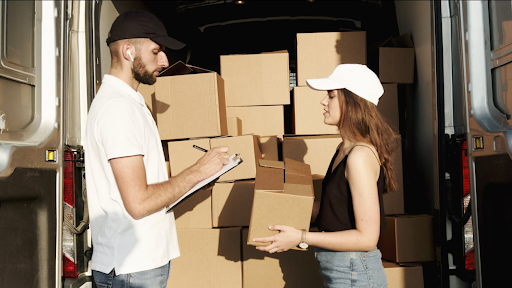
Shipping parcels internationally requires careful preparation, especially when sending items from the United States to Belgium. Many senders explore options and, after reviewing service details and following the link https://us.meest.com/services/service/delivery-to-belgium during their planning process, learn how structured packaging reduces delays and protects goods. Reliable packing methods help parcels travel smoothly by air or sea while meeting European handling standards.
Careful preparation also helps senders avoid unexpected costs or delays once the parcel reaches Belgian customs facilities. Choosing the right box size, protecting corners with padding, and ensuring accurate item descriptions allow shipments to move through inspection points faster. When packaging is done correctly from the start, international parcel delivery becomes more predictable and secure.
Essential Packaging Rules for Belgium-Bound Parcels
Safe delivery begins with choosing materials that protect contents from impact, moisture, and long transit times. Belgian logistics centers process thousands of parcels daily, so your package must withstand automated sorting systems:
- use a double-wall box — strong cardboard prevents crushing during stacking and transport;
- add internal cushioning — bubble wrap or paper fill absorbs shocks and limits movement inside the parcel;
- separate fragile items — wrapping items individually lowers the risk of breakage during handling;
- seal seams securely — pressure-sensitive tape across all edges keeps the parcel closed despite temperature changes;
- balance weight distribution — heavier objects should sit at the bottom to maintain stability.
Following these steps helps parcels arrive intact and reduces the chance of customs inspections caused by damaged packaging. Careful packing also supports faster delivery times because well-prepared parcels move efficiently through sorting hubs.
This approach also minimizes the risk of returns or additional handling fees that may occur when a parcel is poorly secured. Consistent packing standards give both the sender and recipient greater confidence that the shipment will arrive in good condition.
Labeling and Documentation Standards
Accurate labeling is as important as sturdy packaging when sending parcels to Belgium. Write the recipient’s full address in the correct European format, including street name, house number, postal code, and city. Clear labeling helps local couriers complete final delivery without delays.
Customs forms must describe each item honestly, using simple product names and realistic values in U.S. dollars. Including detailed descriptions helps Belgian customs officers process parcels quickly and prevents requests for additional documentation.
Proper paperwork also reduces the risk of extra fees caused by incomplete declarations. Accurate documentation also improves tracking accuracy, ensuring that each parcel moves through international checkpoints without unnecessary confusion or verification delays.
Protecting Parcels During Air and Sea Transit
Transit conditions differ depending on whether you choose air or sea delivery, so packaging should reflect the chosen method. Air shipments usually arrive within one to two weeks, while sea transport may take several weeks, increasing exposure to humidity and pressure changes. Using waterproof tape and inner plastic layers can prevent moisture damage during long journeys.
Weight limits and box dimensions also affect safe delivery, so senders should avoid overfilling packages. Leaving space for cushioning materials allows the parcel to absorb shocks during handling. Selecting the right box size keeps the contents secure and reduces the risk of damage caused by movement inside the package.
Practical Tips for Smooth Delivery to Belgium
Before sealing your parcel, gently shake the box to ensure nothing shifts inside. If you hear movement, add more padding until the contents remain stable. This simple test can prevent many common issues, including broken items or crushed packaging during transit.
Timing your shipment is another important factor. Sending parcels early during busy seasons such as holidays can help avoid congestion in sorting facilities. Reliable services offer both air and sea options, allowing senders to balance cost and delivery speed based on urgency.
Packaging standards are not only about protection but also about efficiency. A well-packed parcel moves faster through logistics networks and is less likely to be held for inspection. Consistent preparation also gives recipients confidence that their items will arrive safely.
By following proven packing practices and paying attention to labeling details, senders can simplify international shipping from the United States to Belgium. Strong materials, accurate documentation, and careful planning all contribute to successful parcel delivery, and experienced carriers like Meest-America help ensure that every shipment meets international standards.